For centuries, a simple, unassuming fabric has been a silent hero in kitchens, dairies, and craft rooms. Cheesecloth, with its open weave and humble origins, is a powerhouse of versatility. But not all cheesecloth is created equal. From the ultra-dense weave of Grade 100 to certified organic options, understanding the differences is key to unlocking its full potential in your culinary and creative projects.
Understanding Cheesecloth Grades: Why Density Matters
The "grade" of a cheesecloth refers to the number of threads per inch in each direction. This directly impacts what the cloth can—and cannot—do. Lower grades (like 10 or 20) are very open and best for light dusting or wrapping herbs. For serious kitchen work, Grade 100 cheesecloth is the gold standard. This ultra-fine, ultra-dense weave, often called butter muslin, is designed to catch the tiniest particles. It's perfect for straining stocks to crystal clarity, making soft cheeses like ricotta or paneer, and creating smooth nut milks without any grit.
Products like the Cotton Farm Grade 100 XL Cheese Cloth exemplify this category. Its 36x36 inch size and hemmed edges make it a durable, reusable workhorse for any task requiring a fine filter. Similarly, the High-Grade 100 Cheesecloth – 6-Pack offers convenience and quality in a smaller, precut format ideal for everyday food straining.
Organic and Sustainable Choices: The GOTS-Certified Advantage
For those who prioritize organic materials in their kitchen, the market now offers excellent options. Organic cheese cloths that are GOTS (Global Organic Textile Standard) certified ensure the cotton was grown without synthetic pesticides and processed under strict environmental and social criteria. This is a fantastic choice for anyone making food that will be in direct contact with the cloth for extended periods, such as during cheese aging or yogurt straining.
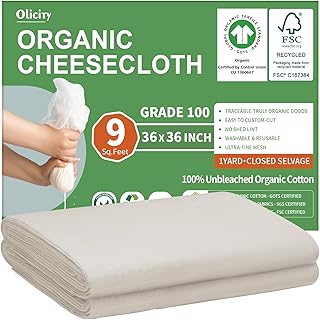
The Organic Cheese Cloths, GOTS Certified, Grade 100 is a prime example. It combines the fine filtration of Grade 100 with the peace of mind of organic certification, making it a top-tier choice for health-conscious cooks and cheese making enthusiasts.
Bleached vs. Unbleached: A Matter of Purity and Purpose
Another key distinction is between bleached and unbleached cotton cheesecloth. Unbleached (or natural) cheesecloth retains its off-white, beige color. It hasn't undergone chemical bleaching processes, which many prefer for a more "pure" food contact material. Most of the products listed, like the 6-Pack Beige Cheesecloth and the 12Pcs Reusable Cheese Cloths, are unbleached.
On the other hand, bleached cheesecloth is bright white. Some users find it more aesthetically pleasing, especially for crafts or presenting food. The GoodCook Everyday 100% Cotton Cheesecloth is a popular bleached option that comes in a convenient 2-square-yard piece you can cut to size. For a deeper dive into the uses of this specific type, check out our GoodCook Everyday Cotton Cheesecloth guide.
Beyond the Kitchen: Creative and Practical Uses
While its name suggests a single use, cheesecloth is a multi-tasking marvel. In the kitchen, it's indispensable for cooking turkey (lining the cavity with herbs), bundling bouquet garni, straining yogurt to make Greek yogurt or labneh, and clarifying butter. It's a fundamental part of cheesemaking supplies.
Venture outside the kitchen, and its uses multiply. It's a fantastic crafts fabric for making ghosts for Halloween, creating natural dye bundles, polishing silver, or even as a lightweight fabric for eco-friendly gift wrapping. The Mostdream Cheese Cloths 10-pack is perfect for crafters who need plenty of material.
Choosing the Right Cheesecloth for You
With so many options, how do you choose? Start by considering your primary use. For fine straining and cheesemaking, never compromise on Grade 100. For bundling herbs or crafts, a lower grade may suffice. Think about size: larger pieces like 36x36 inches offer flexibility, while precut packs (like the 15x15 inch 4-pack or 20x20 inch 6-pack) offer convenience and less waste.
Durability features matter too. Look for hemmed or closed edges, which prevent fraying and make the cloth reusable for many washes. All the products mentioned here are designed for reuse, making them an economical and eco-friendly choice over disposable single-use cloths. For a comprehensive look at all the factors, our Ultimate Guide to Cheesecloth is an invaluable resource.
Whether you're a seasoned chef, a home cheesemaker, or a DIY enthusiast, having the right cheesecloth on hand opens up a world of possibilities. From the organic integrity of GOTS-certified cloth to the sheer utility of a hemmed, reusable cheesecloth, investing in quality fabric is investing in better results—in your food, your crafts, and your kitchen efficiency.